
What Size Storage Unit Fits a Typical One-Bedroom Apartment?
What Size Storage Unit Fits a Typical One-Bedroom Apartment?
—
March 24th, 2026
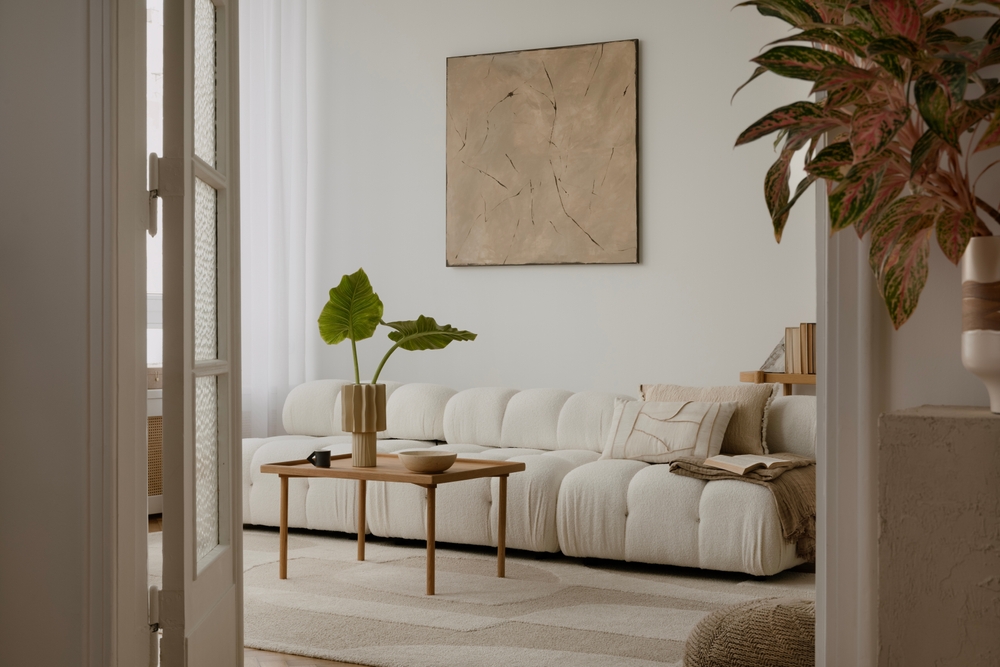
The one thing you can count on in life is that things are constantly changing. Whether you're downsizing, expanding, inheriting, or in any other number of scenarios, you may find yourself in a situation where you need a storage unit. Storage units are not just for individuals with large homes; people in smaller apartments often use them to supplement space. Understanding your storage needs will ultimately help you save money and ensure your belongings fit comfortably and will remain safe. Let us help you with tips and tricks on how to pick the right storage unit for your needs.
Understanding Your Bedroom Apartment Contents
Before you start the dreaded moving process, it's a good idea to survey your possessions first. Carve out some time to go through your stuff to see if you can weed out items that you don't need, use, or want anymore. Organizing your belongings this way will save you from packing and physically moving things that no longer serve you.
The typical one-bedroom apartment includes larger bedroom items such as a mattress set, dresser, and nightstands; dishware and kitchen utensils; clothing; bedding and linens; and living room furniture. We find that, on average, you need 25-35 boxes to move a one-bedroom apartment, though this will vary from home to home.
The Standard Storage Unit Size Options Available
Storage units come in various sizes to help provide just the right fit for your needs. It's typical to find unit sizes ranging from 5x10 to 10x20. At Awesome Possum, our storage unit sizes also include 10x12, 10x20, 10x30, 12x30, and 12x40. We offer both small and large units to appeal to all our customers' needs.
When selecting a unit size, please consider how many cubic feet of storage space you are receiving. Cubic feet account for the vertical space (height) of the unit, which is valuable when storing taller or larger furniture items.
What Will Actually Fit in Different Unit Size Categories
If you are in a small apartment and need extra space for seasonal items or just a few boxes, you will likely need only a 5x5 storage unit. The next step up is a 5x10, which is often the perfect size for storing a dorm room- or studio-apartment-sized amount of belongings. The average one-bedroom apartment typically fits in a 10x10 or 10x12 storage unit; a 2-bedroom unit or package garage typically fits in a 10x20 or 10x30 unit.
While these are average assumptions, the best way to determine which unit size is best suited to you is to use our storage calculator. Simply enter all furniture items, and the calculator will determine the required size.
Maximizing Your Storage Space With Smart Packing
As mentioned, it's imperative to stack your items both horizontally and vertically to maximize the amount of storage space you have in your unit. There are many vertical stacking strategies you can explore, but it's most helpful to start with the heaviest and least likely to be used items at the base. Many folks use stackable storage totes or shelving units to help make the most of the space. If you are storing large furniture items, like bookcases, dressers, or wardrobes, make use of the space of that furniture by storing your items in them as you would if they were in your house.
How Apartment Layout Affects What Items You'll Store
The layout of your home or apartment can also affect your storage needs. If you are moving from a newer apartment to an older home, you may find additional storage needs than expected. Often, new builds feature open-concept layouts, built-in storage, or larger spaces to accommodate more clothing and furniture. Or perhaps you're moving into a furnished apartment in a new city, and don't need to take all of your belongings to the new place. There are many reasons storage units come in handy.
Cost Considerations for Different Size Storage Solutions
The cost of storage units varies greatly depending on location, size, and desired amenities. Considerations include first-floor or upper-level units, storage unit size, whether the unit needs to be climate-controlled, long-term vs. short-term, hours of access, etc. Smaller units typically average $50- $100, while medium to large units average $150- $ 250.
It's important to keep in mind some of the hidden costs when purchasing a storage unit. Specialty locks, moving services, and insurance coverage are factors to consider when determining your budget for storage services.
Special Considerations for Apartments With Unique Items
If you are moving to a one-bedroom apartment, there may be some special considerations to contemplate before picking which unit is best for you. Do you have space for specialty equipment? Are you a hobbyist with computer or musical equipment that takes up a lot of space? Are you a tech nerd who has computer equipment that most stay in a climate-controlled area? Or are you a fitness enthusiast who doesn't have space for your machines in your new apartment? No matter what you're into, consider how your lifestyle will fit into a small one-bedroom unit.
Determining If You Need Climate-Controlled Storage for Your Fit
Climate-controlled storage units maintain consistent temperature and humidity year-round, which can be crucial for protecting certain belongings in your one-bedroom apartment. Wooden furniture, photos, important documents, or specialty collections are often worth the extra investment if you live in a volatile climate area. Keep in mind that climate-controlled units are typically located indoors, which offers the added benefit of better security and protection from the elements, even if temperature regulation isn't critical for your specific items.
Categories